
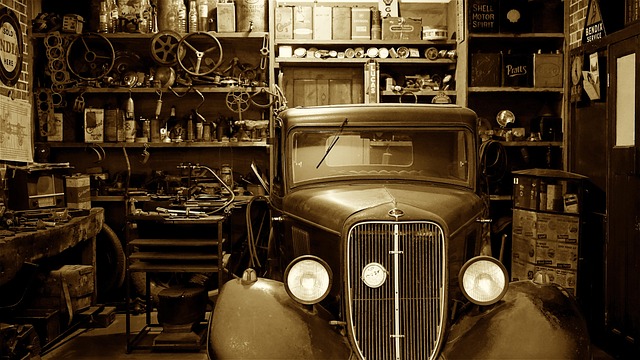
Assessing vintage furniture involves initial inspection for damage, decay, and previous repairs, including structural integrity, finishes, and hardware. Advanced Restoration Services specialize in meticulous decluttering, biohazard cleanup, and specialized techniques like refinishing, repainting, and heat treatment to ensure authenticity and longevity using period-appropriate materials. Key aspects include wood selection, mildew testing, humidity control, and efficient storage, all integrated by Advanced Restoration Services to restore vintage pieces to their former glory while safeguarding against future damage.
In the realm of interior design, vintage furniture holds an undeniable allure, offering a glimpse into eras past. However, the quest to restore these cherished pieces often presents challenges. Over time, wear and tear take their toll, leaving many with damaged or faded treasures. This is where Advanced Restoration Services step in as true artisans. With meticulous care, our expert team employs advanced techniques to breathe new life into vintage finds. We meticulously address each piece’s unique needs, from refinishing to structural repairs, ensuring these time-honored pieces not only survive but thrive in modern settings.
- Assessing Vintage Furniture: Expert Tips for Initial Inspection
- Advanced Restoration Techniques: Reviving Old Treasures Step by Step
- Choosing the Right Materials: Ensuring Longevity with Quality Repairs
Assessing Vintage Furniture: Expert Tips for Initial Inspection
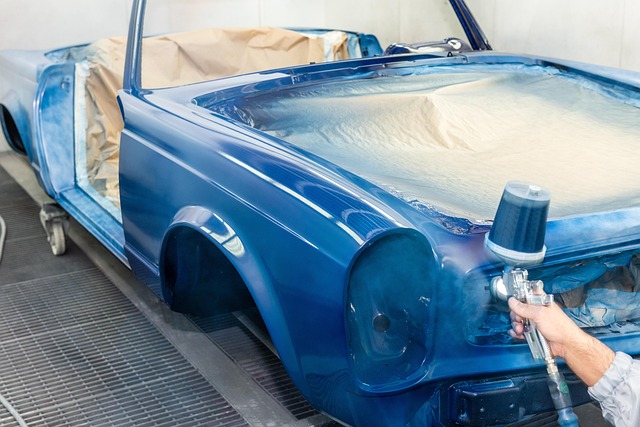
Assessing vintage furniture requires a meticulous initial inspection to determine its restoration needs and potential challenges. Experts emphasize the importance of examining every detail, from structural integrity to finishes and hardware. A comprehensive evaluation involves checking for signs of damage, decay, or previous repairs, which can provide insights into the piece’s history and suitability for advanced restoration services. For instance, looking for splits in wood, loose joints, or flaking paint could indicate the extent of necessary refurbishment.
Mildew testing is a crucial step in the assessment process, especially for furniture stored in damp environments. It involves collecting samples to analyze for the presence of mold and mildew, which can significantly impact restoration efforts and pose health risks. Proper fire prevention measures should also be considered, given that vintage pieces often lack modern safety features. Implementing strategies like using heat-resistant materials and ensuring proper ventilation during refurbishment is essential to mitigate hazards.
Water damage prevention is another critical aspect, as it can lead to structural degradation and unsightly stains. Experts advise inspecting for signs of water intrusion and taking proactive steps to address any leaks or moisture issues before beginning restoration. Refurbishing damaged areas with specialized techniques and materials is key to preserving the piece’s authenticity while enhancing its overall condition. For example, using period-appropriate finishes and refinishing techniques can restore a vintage item’s original allure, ensuring it not only looks but also feels like new.
Advanced Restoration Techniques: Reviving Old Treasures Step by Step
Restoring vintage furniture is an art that requires a deep understanding of advanced restoration techniques and materials. Advanced Restoration Services play a pivotal role in reviving old treasures, ensuring their historical and aesthetic integrity is preserved. The process involves meticulous decluttering and biohazard cleanup to prepare the piece for careful restoration. For instance, a recent project involved a 19th-century oak chest that had been infested with termites and neglected for decades. Advanced Restoration Services not only removed the affected wood but also decontaminated the entire structure, a crucial step before any restoration work could commence.
The heart of the process lies in the application of various restoration techniques. This includes refinishing, repainting, and reupholstering, each demanding specialized skills and materials. For wooden furniture, experts use fine-grit sandpaper to smooth surfaces, followed by careful cleaning and conditioning. A case study of a Victorian dining table showcased this meticulous approach. The table’s original finish was carefully restored, revealing its exquisite grain patterns. In some instances, advanced techniques such as heat treatment are employed to stabilize wood and reverse the effects of aging.
Decluttering and biohazard cleanup are foundational steps that often require specialized equipment and knowledge. This includes the safe removal of debris, dust, and potentially harmful substances. For example, old furniture may contain lead paint or asbestos, necessitating proper disposal methods. Advanced Restoration Services employ trained professionals equipped with personal protective equipment (PPE) to handle such tasks safely. Once the piece is cleaned and decontaminated, restoration technicians can focus on intricate details, ensuring every element of the furniture is restored to its former glory.
Choosing the Right Materials: Ensuring Longevity with Quality Repairs
Restoring vintage furniture is an art that demands meticulous attention to detail and a deep understanding of materials. When undertaking such a project, one of the most critical decisions lies in choosing the right restoration materials—a choice that directly impacts the longevity and authenticity of the final piece. Advanced Restoration Services, with its extensive experience, emphasizes the importance of high-quality repairs as a foundation for enduring beauty.
The first step in this process involves assessing the current state of the furniture, which includes identifying any damage, decay, or existing restoration work. From there, experts carefully select materials based on their compatibility and durability. For instance, when dealing with wooden furniture, using appropriate wood species for repairs is essential. Oak, maple, or cherry—when chosen according to the original piece—can significantly enhance the furniture’s longevity. Additionally, mildew testing is a crucial aspect of restoration, especially in regions with high humidity. Advanced Restoration Services employs advanced techniques to identify and mitigate any mold presence, ensuring that the final product is not only visually appealing but also free from potential health hazards.
Humidity solutions play a significant role in furniture preservation, as excessive moisture can lead to warping or rot. Professional restorers employ various methods to control humidity levels, such as specialized storage units and climate-controlled environments. Proper organization of restoration materials and finished pieces is another key practice. Well-organized workshops facilitate efficient workflows, ensuring that every component is tracked, maintained, and stored appropriately. By integrating these strategies, Advanced Restoration Services guarantees that each vintage piece not only looks its best but also stands the test of time.
Restoring vintage furniture is a meticulous art that requires a deep understanding of assessment, advanced techniques, and material selection. Key insights include the importance of an initial inspection to accurately gauge a piece’s condition, as well as the need for specialized Advanced Restoration Services to revive its former glory. The article emphasizes using high-quality materials to ensure longevity, showcasing the interplay between craftsmanship and preservation. By combining expert tips with meticulous care, enthusiasts can preserve these timeless treasures, ensuring their beauty and history are respected and passed down for future generations to appreciate.