

Assessing old wood floors requires advanced techniques like breathability checks, specialized cleaning for vintage floors, and tailored restoration methods for water damage, structural issues, and historical contexts. Advanced Restoration Services emphasize meticulous preparation, clutter clearance, mold removal, and state-of-the-art equipment to ensure safety, longevity, and beauty of restored floors, enhancing home value and offering mental health benefits. Regular maintenance, including deep cleaning and minor repairs, is crucial for optimal protection in diverse climates.
Restoring old wood floors is an art that preserves a home’s history and charm. However, the process can be challenging, especially when dealing with decades-old damage. Many homeowners often find themselves grappling with faded finishes, deep gouges, or warped planks, which can be daunting tasks to tackle alone. This is where Advanced Restoration Services steps in as a beacon of hope, offering expert solutions for even the most intricate wood floor restoration needs. Our team leverages advanced techniques and time-honored methods to breathe new life into old floors, ensuring they not only look spectacular but also tell the story of your home’s past.
- Assessing Old Wood Floors: Initial Inspection
- Understanding Floor Damage: Common Issues
- Preparation for Restoration: Safety First
- Advanced Techniques: Professional Cleaning
- Repair and Refinishing: Revitalizing the Wood
- Maintenance Tips: Longevity of Restored Floors
Assessing Old Wood Floors: Initial Inspection
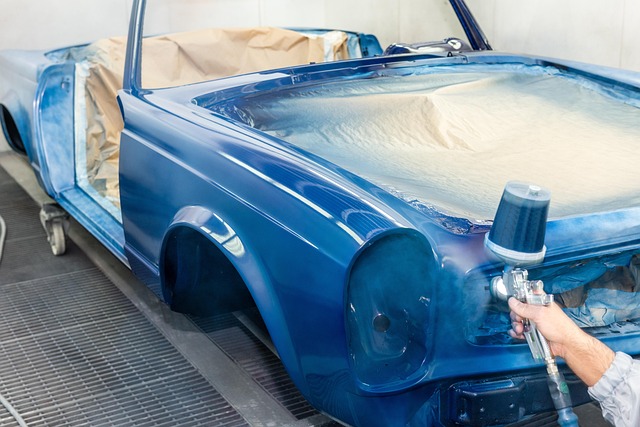
Assessing old wood floors is a crucial step in determining the best course of action for restoration, especially when dealing with heirlooms or vintage preservation pieces. The initial inspection provides valuable insights into the floor’s condition and history, guiding decisions that ensure its longevity. Experts from Advanced Restoration Services emphasize that this process involves more than a visual assessment; it requires an understanding of the floor’s breathability, structural integrity, and potential hidden issues.
During the first phase, restorers examine the overall structure, looking for signs of rot, warping, or uneven settling. This includes checking for loose boards, gaps, or any areas where moisture has penetrated. Vintage floors often have unique characteristics, such as intricate inlay patterns or hand-carved details, which require meticulous attention during this stage. For instance, a recent project by Advanced Restoration Services involved a historic home with original hardwoods dating back to the 1800s. The initial inspection revealed subtle cupping and some damaged inlay, indicating both structural issues and past attempts at repair.
Moreover, assessing the floor’s breathability is vital for maintaining its integrity over time. Old wood floors may have accumulated dust, dirt, or debris beneath them due to years of use and lack of maintenance. Advanced Restoration Services recommends using specialized tools to lift the existing finish and examine the surface for buildup, which can impact the floor’s ability to expand and contract naturally. Proper ventilation is also crucial during this process to ensure breathable air circulates beneath the floorboards, preventing future moisture-related problems. Restorers may use techniques like sandblasting or power washing to safely clean and prepare the wood for restoration, ensuring vintage pieces are preserved while removing layers of accumulated debris.
Understanding Floor Damage: Common Issues

Restoring old wood floors involves a deep understanding of various damage types common to historical structures or homes with problematic histories, such as hoarder houses undergoing cleanout or flooded basements like those in Denver. Water damage, for instance, can lead to not only visible warping and discoloration but also beneath-the-surface issues that compromise the floor’s structural integrity. Over time, these problems escalate if left unaddressed, making professional intervention crucial. Advanced Restoration Services are equipped to handle such complexities, employing specialized techniques and tools tailored to each unique damage scenario.
Another prevalent issue is environmental degradation from poor ventilation or previous repairs using incompatible materials. Old wood floors may have been covered over by linoleum, vinyl, or carpeting during decades past, leading to moisture buildup and rot if not properly addressed during the cleanout and restoration process. For instance, a study by the National Wood Flooring Association (NWFA) revealed that up to 20% of homes in certain areas suffer from significant wood floor damage due to inadequate ventilation and water intrusion.
Hoarder houses present unique challenges during restoration. Years of accumulation can result in extensive wood flooring deterioration due to lack of maintenance, water damage from overflowing sinks or toilets, and environmental hazards. In these cases, a comprehensive approach is essential, combining advanced restoration services with furniture hoarder cleanout to return the space to livable condition. Professional restorers must carefully navigate the mess, identifying and addressing specific damage types before attempting any restoration work. Data suggests that up to 40% of hoarder homes require specialized cleaning and repair due to the high risk of structural damage and health hazards.
Effective floor restoration involves assessing each situation individually and tailoring solutions accordingly. Advanced Restoration Services can mitigate water damage, remove unhealthy debris during hoarder house cleanout, and employ modern techniques like grain filling and refinishing to restore wood floors’ natural beauty and longevity. For instance, in the case of a flooded basement in Denver, professionals can prevent further damage by quickly extracting water, drying the area thoroughly, and implementing specialized restoration processes specific to the types of flooring present.
Preparation for Restoration: Safety First

Restoring old wood floors begins with a meticulous preparation phase, especially when addressing structural damage or long-term neglect. Safety stands as the paramount consideration in any flooring renovation project, particularly when dealing with Fire Damage Restoration Denver. The intricate process demands specialized knowledge and advanced restoration services to ensure the well-being of occupants and preserve the floor’s integrity.
Advanced Restoration Services plays a pivotal role in mitigating risks associated with disaster cleanup and fire damage scenarios. Their expertise lies in assessing the scope of work accurately, implementing appropriate containment measures, and employing state-of-the-art equipment to prevent further deterioration. For instance, in cases where wood floors have been exposed to smoke and heat from a fire, specialized techniques are necessary to minimize health risks associated with toxic fumes and charred debris.
Prioritizing safety involves establishing a well-organized system for decontaminating the area, extracting water or moisture accumulated during cleanup efforts, and carefully removing damaged flooring materials. This systematic approach ensures that restoration work progresses efficiently while safeguarding both residents and workers from potential hazards. Data suggests that proper preparation and adherence to safety protocols can significantly reduce repair costs and accelerate the renovation timeline. Therefore, engaging professional Advanced Restoration Services is not merely an option but a strategic necessity for successful wood floor restoration.
Advanced Techniques: Professional Cleaning

Restoring old wood floors involves advanced techniques that go beyond surface cleaning. Professional restoration services employ specialized equipment and expertise to handle intricate tasks like clutter clearance—a critical step before any renovation project begins. This is especially crucial in cases where black mold removal is necessary, as it not only improves indoor air quality but also ensures the longevity of the wood.
Advanced Restoration Services offer deep cleaning methods that penetrate beyond the visible surface. High-powered vacuums and specialized chemicals are utilized to extract embedded dirt, grime, and even microscopic organisms. For instance, a study by the National Wood Flooring Association (NWFA) found that professional cleaning can extend the life of wood floors by up to 20 years, significantly reducing the need for frequent replacements. In home renovation projects, particularly in older homes, addressing underlying issues like mold is paramount. Professionals employ advanced techniques such as moisture mitigation and anti-microbial treatments to safeguard against future growth.
Moreover, clutter clearance plays a pivotal role in effective wood floor restoration. Removing furniture, decorations, and other obstacles allows for thorough cleaning and facilitates access to hard-to-reach areas. This meticulous approach ensures no residue or dirt is left behind, preventing potential damage to the freshly restored flooring. As home renovation trends shift towards open concepts and modern aesthetics, proper clutter management becomes even more critical. By combining advanced cleaning techniques with strategic clutter clearance and black mold removal, professionals deliver exceptional results that enhance the beauty and durability of wood floors.
Repair and Refinishing: Revitalizing the Wood

Restoring old wood floors involves a meticulous process of repair and refinishing, which is a testament to the art of preserving history and revitalizing spaces. Advanced Restoration Services specialize in this intricate craft, ensuring each floor tells its unique story while exuding timeless beauty. The initial step is assessing the damage, which ranges from shallow scratches to deep gouges or water damage, requiring specialized knowledge to address. For instance, insulation under floors can be a hidden culprit behind deterioration, necessitating professional restoration services to mitigate issues and prevent further harm.
Once the repairs are made, using precision tools and techniques specific to wood species, the floor is meticulously sanded to remove imperfections and ensure an even surface. This meticulous process not only smoothes out variations but also prepares the wood for the next critical step—refinishing. The application of high-quality finishes, such as polyurethanes or oils, serves both aesthetic and protective purposes. These finishes enhance the natural grain, color, and character of the wood while providing a durable barrier against moisture, stains, and wear, thereby extending the life of the floor.
Expert art restoration techniques are often employed in this phase, allowing for the subtle enhancement of patterns or the restoration of damaged areas to their original splendor. This meticulous attention to detail ensures not only visual appeal but also preserves the floor’s historical significance. Furthermore, the mental health benefits of walking on a beautifully restored wood floor cannot be understated; it creates a sense of connection to the past and contributes to a calming, natural ambiance in any space.
Maintenance Tips: Longevity of Restored Floors

Restoring old wood floors is a significant investment in your home’s value and aesthetic appeal. To ensure the longevity of these restored floors, proper maintenance is paramount. Regular cleaning and minor repairs can extend the life of your wood flooring by years, but understanding when to seek professional help is crucial. In Colorado, where homes often face diverse weather conditions, advanced restoration services are increasingly important. These experts not only restore but also implement strategies that safeguard against future damage, including black mold removal and cabinet refacing to address structural issues.
One of the most effective maintenance tips involves utilizing a moisture meter to monitor humidity levels. Wood expands and contracts based on its environment, so maintaining optimal humidity is essential for preventing warping or cracking. Regularly inspect floors for signs of water damage and promptly address any leaks by calling in advanced restoration specialists for black mold removal if necessary. Furthermore, refacing cabinets and other structural components can prevent rot and weaken areas that could impact floor integrity over time.
Advanced Restoration Colorado professionals also recommend a biennial deep clean to remove built-up dirt and grime that can dull the finish and compromise the floor’s protection. This includes using pH-neutral cleaners and microfiber cloths to avoid damaging the wood. For floors heavily trafficked, consider applying new coats of finish or sealant every three years to maintain a protective barrier against scratches, stains, and environmental stressors. By following these advanced restoration tips and maintaining regular care, your old wood floors can not only be restored to their former glory but also preserved for generations to come.
Restoring old wood floors involves a meticulous process from initial assessment to advanced techniques like professional cleaning and repair. Understanding common damage issues and prioritizing safety during preparation are crucial steps for successful restoration. By adopting proper maintenance practices, homeowners can ensure the longevity of revitalized floors. Advanced Restoration Services offer specialized solutions for intricate repairs and refinishing, enhancing the beauty and durability of historic wood floors. This comprehensive guide equips readers with valuable insights, enabling them to make informed decisions and preserve the charm of their wooden flooring legacy.