

Advanced Restoration Services offers comprehensive wall restoration solutions, from initial damage assessment to final finish. Key steps include structural integrity evaluation, mold inspection, and aesthetic considerations. Their advanced techniques use high-quality materials for durability, with specialized tools for meticulous preparation. Preventative measures like moisture control and waterproofing protect against future damage. Regular painting enhances visual appeal and mental well-being. Advanced Restoration Services transforms spaces, combining structural restoration with aesthetic improvements.
Restoring a damaged wall is more than just applying paint; it’s about revitalizing spaces and preserving history. Whether from water damage, structural issues, or neglect, degraded walls can leave homes and buildings aesthetically diminished and structurally vulnerable. Advanced Restoration Services offers a comprehensive solution, leveraging cutting-edge techniques and specialized expertise to address every facet of wall restoration. This article delves into the meticulous process, from assessing the extent of damage to implementing effective solutions, ensuring your walls not only look their best but are also restored to optimal structural integrity.
- Assessing Damage: The First Step to Wall Restoration
- Materials and Tools: Choosing the Right Restoration Equipment
- Techniques for Repair: Advanced Restoration Services Explained
- Filling and Sanding: Achieving Smooth Surfaces Again
- Painting and Finishing: Revitalizing Wall Appearance
- Prevention Strategies: Avoiding Future Wall Damage
Assessing Damage: The First Step to Wall Restoration
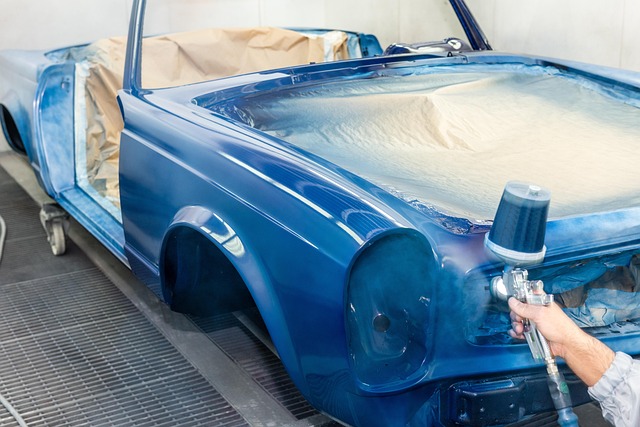
Assessing damage is a critical step in the restoration process, serving as the foundation for any effective wall restoration project. It involves meticulously examining the affected area to understand the extent of the harm and determine the most suitable course of action. This initial evaluation is crucial, as it guides the selection of materials, techniques, and strategies required for successful restoration.
When assessing damage, consider various factors such as structural integrity, the type and severity of decay or corrosion, presence of mold or mildew, and aesthetic considerations like texture and color variations. For instance, an antique wall may necessitate specialized care to preserve its historical value and unique characteristics. In cases where flame retardant materials are required for safety, Advanced Restoration Services can employ advanced techniques to ensure compliance without compromising the original appearance.
Mold inspection is another critical aspect, as hidden mold growth can compromise indoor air quality and structural stability. If present, professional mold remediation is essential before proceeding with any restoration work. Refinishing, typically involving painting or re-plastering, may be required 1-3 times depending on the initial damage and desired outcome. This step aims to restore the wall’s visual appeal while ensuring long-lasting durability.
Proper assessment empowers restorers to make informed decisions, leading to outcomes that blend functionality with aesthetic elegance. It is a meticulous process that demands expertise and precision, ultimately determining the success of any wall restoration project.
Materials and Tools: Choosing the Right Restoration Equipment
Restoring a damaged wall requires a thoughtful selection of materials and tools, which form the backbone of any successful property restoration project. For optimal results, homeowners or professional restoration companies like Advanced Restoration Services should invest in high-quality, specialized equipment tailored to the task at hand. This includes everything from protective gear to advanced repair kits designed for specific types of damage, such as cracks, holes, or water-induced decay.
When choosing materials, prioritize products that mimic the original wall finish and composition as closely as possible. For instance, using authentic-looking drywall for repairs in place of generic substitutes ensures a seamless blend with surrounding surfaces, enhancing the overall aesthetics and home comfort. Similarly, selecting premium-grade paint and primer guarantees durability and longevity, ensuring the repaired area remains protected against future damage. Property restoration experts often recommend testing different products in a hidden corner first to gauge their performance and compatibility with the wall’s existing materials.
Advanced Restoration Services leverages its expertise to source cutting-edge tools and materials, ensuring that every restoration project meets the highest standards of quality and craftsmanship. This commitment to excellence translates into enhanced property values and improved home comfort for clients. By understanding the importance of material and tool selection, homeowners can initiate their wall restoration projects with confidence, knowing they are setting the stage for a successful outcome that will endure for years to come.
Techniques for Repair: Advanced Restoration Services Explained

Restoring a damaged wall involves more than just patching up holes; it’s about recapturing the original aesthetics and structural integrity. When water damage or roof leaks have left their mark, Advanced Restoration Services come into play, offering specialized solutions tailored to complex issues. These services extend far beyond typical repair methods, delving into the intricate world of moisture mitigation and air quality control. For instance, in Denver’s unpredictable climate, where roofs are frequently tested by severe weather, professional restoration is crucial.
Advanced techniques employ state-of-the-art equipment for thorough water damage restoration. This includes advanced dehumidification systems to eliminate moisture from affected areas, preventing mold growth and structural decay. Additionally, these services often incorporate air quality testing and purification to ensure a healthy environment post-restoration. By employing such methods, Restoration Services not only fix visible damages but also address the hidden dangers that can linger after water intrusion.
The process demands meticulous attention to detail, from assessing the extent of the damage to implementing effective solutions. It’s about understanding the underlying causes and providing lasting repairs. For example, a roof restoration might involve replacing damaged shingles, sealing leaks, and re-insulating to create a robust barrier against future weather events. These advanced services are designed to enhance the longevity of buildings, ensuring they remain safe havens for their occupants.
Filling and Sanding: Achieving Smooth Surfaces Again

Restoring a damaged wall involves a meticulous process, particularly when aiming for smooth surfaces. This step, often overshadowed by more visible repairs, is crucial in achieving a professional finish. The method begins with filling, utilizing compounds designed to match the existing wall material, whether plaster or drywall. Application requires careful consideration; excessive pressure can lead to unsightly ridges, while too light an approach may leave visible fills. Sanding afterward is essential for smoothing these patches, ensuring an even surface ready for priming and painting.
Advanced Restoration Services employ specialized tools for efficient sanding, managing clutter temporarily to maintain a clear work area. This meticulous process addresses not only cosmetic concerns but also health-related factors. Proper restoration reduces allergen exposure by minimizing dust, a significant consideration for individuals with respiratory sensitivities or allergies. Moreover, fire prevention is integrated into the filling and sanding stages; using fire-retardant compounds enhances safety in high-risk areas.
Data supports the importance of comprehensive restoration practices. A study by the National Fire Protection Association (NFPA) revealed that fire damage repairs, including wall restoration, significantly reduce the risk of future fires. Effective clutter management during these processes ensures efficient work, minimizing potential hazards and promoting a safer environment for both residents and restoration experts.
Painting and Finishing: Revitalizing Wall Appearance
Restoring a damaged wall involves more than just repairing the physical surface; it’s about revitalizing the entire aesthetic and emotional space within your home. Painting and finishing play a pivotal role in this transformation, offering a fresh canvas to enhance your interior design while also positively impacting your mental health through the act of creation and renewal. When considering home renovation projects, particularly after a disaster or in the wake of cleanup efforts like Disaster Cleanup and Restoration Denver, advanced restoration services can significantly contribute to this process.
Expert advice suggests starting with meticulous preparation: assessing the extent of damage, repairing structural integrity, and ensuring a clean, smooth base. This foundation is crucial for achieving a professional finish. For example, filling and sanding are essential steps in preparing a wall for painting, eliminating bumps and imperfections that can disrupt the final coat. In some cases, especially after severe disasters, it may be necessary to completely strip the existing surface, exposing fresh drywall or revealing layers of history that could require specialized attention.
Once preparation is complete, selecting the right paint and finish becomes paramount. Advanced Restoration Services often recommend high-quality, durable paints designed to withstand wear and tear while offering a wide array of colors and finishes to suit individual preferences. For a modern, sleek look, flat or satin finishes are popular choices, reflecting light and creating an airy ambiance. On the other hand, for a more traditional, rich feel, eggshell or semi-gloss finishes can add depth and character to your walls. Incorporating accent colors strategically—on an accent wall or through trim work—can further elevate the space, fostering a sense of harmony or dramatic contrast, depending on personal taste.
Regular painting and freshening up walls every few years not only contributes to a home’s overall aesthetic appeal but also positively impacts mental health by creating a soothing, familiar environment. Home renovation projects, when approached with careful planning and access to advanced restoration services, can transform spaces, restoring not just the physical structure but also the sense of peace and comfort that comes from living in a beautifully restored home.
Prevention Strategies: Avoiding Future Wall Damage
Preventing future wall damage is a critical aspect of advanced restoration services that many homeowners often overlook. While repairing and restoring damaged walls is an intricate process, taking proactive measures can significantly reduce the likelihood and severity of such issues recurring. One of the primary causes of wall damage is moisture intrusion, which can lead to mold growth, structural deterioration, and aesthetically displeasing marks. Advanced Restoration Services recommends implementing robust prevention strategies to safeguard your walls.
Regularly checking for signs of water damage or leaks is an essential first step. Addressing these issues promptly with high-quality dehumidifiers can prevent long-term problems, especially in areas prone to humidity like basements, where finished spaces require careful monitoring. For instance, according to a study by the Environmental Protection Agency (EPA), proper dehumidification can reduce indoor humidity levels to optimal ranges, minimizing the risk of mold and improving overall air quality. Additionally, polishing restoring cabinets and ensuring proper ventilation in kitchens and bathrooms can effectively manage moisture levels.
Basement finishing is another area that demands meticulous attention. Due to their unique environmental conditions, basements are vulnerable to water seepage and musty odors. Advanced Restoration Services suggests investing in professional basement waterproofing solutions and using specialized materials during the finishing process to create a durable, moisture-resistant barrier. Regular inspections and maintenance of these systems can further mitigate risks. By adopting these comprehensive measures, homeowners can protect their walls from damage, ensuring longevity and preserving the overall aesthetics and value of their properties.
Restoring a damaged wall is a process that requires careful assessment, the right tools, and a range of advanced restoration techniques. By following systematic steps from assessing damage to final finishing, you can effectively revive walls, ensuring longevity and aesthetic appeal. Key insights include the importance of material selection, understanding various repair methods, and mastering techniques like filling and sanding for smooth surfaces. Additionally, preventing future damage through proactive measures is crucial. This comprehensive guide equips readers with the knowledge to tackle wall restoration projects, highlighting the value of Advanced Restoration Services for complex or extensive repairs.