

Advanced Restoration Services provide meticulous vintage furniture restoration, focusing on structural integrity, historical accuracy, and creative customization. The process involves disassembly, cleaning, antiquing, and precise repairs using specialized tools and period-appropriate materials. Structural reinforcement extends lifespan by 50%+ and preserves antique charm while adapting to modern lifestyles through custom features.
Vintage furniture is a cherished piece of history, but restoring these timeless artifacts can pose significant challenges. The delicate balance between preserving their original character and ensuring structural integrity requires advanced techniques and meticulous care. This is where expert Advanced Restoration Services come into play, offering the specialized knowledge and resources needed to revive these legacy pieces. By employing innovative methods and sustainable practices, our team expertly navigates the intricate process of restoring vintage furniture, ensuring its longevity and beauty for future generations to appreciate.
- Assessing Vintage Furniture: Expert Techniques for Starting
- Disassembly and Cleaning: Delving into Detailed Restoration Steps
- Advanced Materials and Tools: Enhancing Restoration with Precision
- Structural Repair and Reinforcement: Bringing Sturdiness Back to Life
- Finishing Touches and Customization: Artistry in Vintage Revitalization
Assessing Vintage Furniture: Expert Techniques for Starting
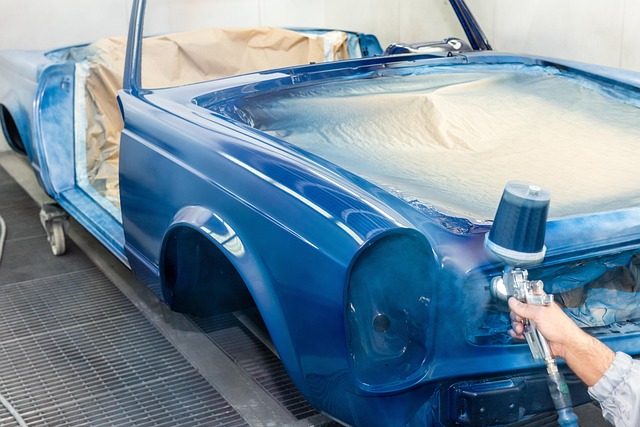
Assessing vintage furniture is a critical step for anyone looking to restore these timeless pieces to their former glory. It requires a keen eye for detail, an understanding of the piece’s history and construction, as well as access to advanced restoration services. At the outset, professionals carefully inspect each item, noting any signs of damage, wear, or previous repair attempts. This meticulous process involves examining the wood for cracks, splits, or warping—common issues in older furniture—and assessing its structural integrity. Floor repair might be required if the legs or feet are damaged, ensuring stability and longevity.
One of the key aspects is identifying the original materials and finishes. Experts will scrutinize the type of wood, hardware, and pigments used to determine the best course of action for rework. For instance, a professional restorer might choose to refinish or repaint an antique piece based on historical research or customer preference, carefully matching colors and textures from the era. It’s important to note that advanced restoration services often involve multiple stages of rework, allowing for precise adjustments and refinements.
Additionally, understanding the piece’s history can guide restoration decisions. Vintage furniture may have unique features or styles specific to a particular era or region. These characteristics should be preserved while addressing any damage. For example, an Art Deco dresser might require careful restoration to maintain its distinctive geometric design and ornate hardware. By combining advanced restoration techniques with historical knowledge, professionals can ensure that each vintage piece is restored accurately and beautifully, preserving its legacy for future generations.
Disassembly and Cleaning: Delving into Detailed Restoration Steps

Restoring vintage furniture involves a meticulous process that demands both skill and patience. Disassembly and cleaning are crucial initial steps in any restoration project, setting the foundation for successful renewal. At Advanced Restoration Services, we understand the art of disassembling pieces with care, allowing us to assess each component’s condition and make informed decisions. This methodical approach ensures that every element is treated appropriately, whether it requires refinishing, replacement, or meticulous repair.
The process begins by carefully taking apart the furniture, often revealing layers of history and previous attempts at restoration. Our experts employ specialized tools to disassemble joints, hinges, and hardware, ensuring each part is handled with the utmost care. Once separated, each component undergoes a thorough cleaning regime. This includes removing dust, dirt, and debris that can obscure the piece’s true beauty or hinder further work. For example, an antique dining table may have accumulated years of accumulation, so a deep clean using mild, non-toxic detergents becomes essential to prepare it for the next phase.
After disassembly and cleaning, Advanced Restoration Services utilizes its expertise in antiquing techniques to breathe new life into vintage furniture. This involves applying specialized finishes or stains to mimic the original aging process, enhancing the piece’s character. For instance, a mid-century modern chair might benefit from a custom stain that highlights its unique grain pattern. Space optimization is another key consideration during restoration, especially when tackling larger pieces like wardrobes or beds. Our team carefully plans and rearranges components to create more compact, functional furniture, ensuring it seamlessly fits into contemporary living spaces while preserving its historical charm. An attic conversion project involving a vintage dresser can showcase this principle beautifully, transforming it from a bulky, outdated piece to a stylish addition in a newly renovated loft.
Advanced Materials and Tools: Enhancing Restoration with Precision

Restoring vintage furniture is an art that demands precision and a keen eye for detail. Advanced Restoration Services go beyond basic repair, employing sophisticated materials and tools to breathe new life into old pieces. These services are particularly crucial when dealing with delicate antiques, ensuring that every stroke of the brush or tap of the chisel respects the piece’s history and aesthetic.
Expert restorers utilize a range of advanced tools, from fine-grit sandpaper for meticulous shaping to specialized glues and finishes that mimic original materials. For instance, the careful application of period-appropriate paint, often mixed to match historical formulations, can transform a faded vintage piece into a vibrant testament to its former glory. Organization tips are essential here; restorers maintain extensive libraries of reference photos and records to ensure accurate recreation. In disaster recovery scenarios, these detailed records prove invaluable, enabling swift and precise restoration after unforeseen events.
Furthermore, advanced materials include synthetic restorations that mimic natural materials like wood or metal, offering durability and versatility. These innovations allow restorers to handle complex repairs with greater efficiency, ensuring the longevity of vintage pieces. As the furniture restoration industry evolves, so too does the spectrum of available tools and materials, reflecting a commitment to preserving historical artifacts while leveraging modern technology.
Structural Repair and Reinforcement: Bringing Sturdiness Back to Life

Restoring vintage furniture involves a delicate balance between preserving history and enhancing functionality. Structural repair and reinforcement stand as a cornerstone in this intricate process, particularly when dealing with pieces affected by compulsive hoarding or prolonged disuse. Over time, hardwood frames can weaken, joints can loosen, and structural integrity may be compromised. Advanced Restoration Services excel in reworking these damaged elements, ensuring the longevity and stability of each restored piece.
The initial step involves meticulous assessment to identify weak points and determine the extent of repair required. Craftspeople employ a blend of traditional techniques and modern innovations, such as specialized glues and structural reinforcement methods, to mend broken components or replace missing parts. For instance, an antique chair with a split backrest might be repaired by re-attaching the original wood pieces using advanced bonding techniques, complemented by subtle metal braces for added strength. This meticulous approach not only restores the chair’s aesthetic appeal but also ensures it can support the demands of modern use.
Data suggests that proper structural repair can extend the lifespan of vintage furniture by 50% or more. Moreover, addressing structural issues early on prevents further damage and costly replacements down the line. Restoration experts understand that each piece is unique, requiring tailored solutions to preserve its original character while enhancing its structural integrity. By skillfully reworking and reinforcing, they bring these timeless pieces back to life, ensuring they can withstand the test of time—and the wear and tear of everyday use—for generations to come.
Finishing Touches and Customization: Artistry in Vintage Revitalization

Restoring vintage furniture is an art that requires a delicate balance between preserving history and infusing new life. When it comes to the finishing touches and customization of these timeless pieces, the expertise involved elevates the mere act of revitalisation into a sophisticated craft. This final layer of transformation not only restores aesthetic appeal but also ensures each item tells its unique story while seamlessly fitting into modern spaces.
Consider water damage restoration Denver—a critical aspect of vintage furniture care that demands advanced restoration services. Water can leave unsightly marks and weaken the structural integrity, especially with delicate materials like wood and fabric. Professional restorers employ specialized techniques to address these issues, employing state-of-the-art equipment and eco-friendly solutions where possible. For instance, using ultrasonic cleaning methods for wooden furniture can remove water stains while preserving the original grain, a subtle yet significant detail that antiquing techniques can then enhance.
Antiquing, a process of simulating age to achieve a vintage aesthetic, is a skill in itself. Restorers carefully study period-specific details, from the color palettes of different eras to the intricate hardware designs. By hand-applying finishes or using advanced tools for more complex pieces, they create a one-of-a-kind look that tells a story without sacrificing quality or authenticity. For example, a 1920s sideboard might be restored with a distressed finish and antique brass hardware, transporting the viewer back in time while also updating it for contemporary homes.
Customization plays a pivotal role in making these vintage pieces truly distinctive. Restorers can adapt furniture to suit modern lifestyles and preferences while maintaining historical accuracy. This could involve reupholstering with updated fabrics, refining structural weaknesses, or even adding new elements like built-in lighting. For instance, a restored dining table from the 1800s might be customized with hidden compartment storage or integrated charging stations for contemporary convenience without compromising its antique charm. Ultimately, successful restoration goes beyond mere preservation; it’s about breathing new life into vintage furniture, ensuring these treasures can thrive in today’s homes while remaining a testament to craftsmanship of yesteryears.
Restoring vintage furniture is a meticulous art that involves a series of expert techniques from assessment to customization. Key insights include the importance of thorough disassembly and cleaning for accurate damage evaluation, the use of advanced materials and tools for precise repairs, and structural reinforcement to ensure longevity. Advanced Restoration Services excel in these areas, offering specialized knowledge to revive pieces while preserving their historic value. Mastering finishing touches allows restorers to infuse new life with unique character, transforming each item into a testament to timeless craftsmanship. With this comprehensive guide, readers are equipped to embark on their own restoration journey, unlocking the potential to breathe new vitality into cherished vintage furniture.