

Advanced Restoration Services specializes in comprehensive basement flood restoration. Their process includes water extraction, air movement, thorough inspection, and meticulous drying to prevent mold growth. They address structural integrity, offering reinforcement or replacements for damaged walls, floors, and ceilings. Post-flood cleaning involves allergen reduction and carpet removal if severely contaminated. For reconstruction, they provide expert advice on material replacement, painting for protection, and finishing touches. Early consultation ensures optimal restoration outcomes.
Flooded basements pose a significant challenge for homeowners, often resulting in substantial repair costs. Water damage can lead to structural instability, mold growth, and the loss of valuable possessions. Understanding the true cost of restoration is crucial for proactive property management. Advanced Restoration Services offers a comprehensive solution, leveraging cutting-edge techniques and expertise to ensure effective and affordable basement flood restoration. This article delves into the intricacies of restoring flooded basements, providing insights into the factors influencing costs and highlighting the superior capabilities of Advanced Restoration Services in mitigating these issues.
- Assessing Flood Damage: The Initial Step
- Water Extraction: Efficient Techniques for Advanced Restoration Services
- Drying and Dehumidification: A Critical Phase
- Structural Repair: Restoring Your Basement's Integrity
- Mold Prevention: Key Measures After Flooding
- Reconstruction and Final Touches: Reviving Your Basement
Assessing Flood Damage: The Initial Step

Assessing flood damage is the critical first step in restoring a flooded basement. This initial evaluation by experts from Advanced Restoration Services determines the full extent of the loss, guiding subsequent remediation efforts. The process involves meticulous inspection of every corner and surface to identify water intrusion points, structural integrity issues, and potential contaminants like mildew or smoke.
Professionals employ advanced tools such as moisture meters and thermal imaging cameras to pinpoint wet areas, detect hidden water sources, and assess temperature variations indicative of fire damage. They carefully document the scene with photography and video, creating a comprehensive record for insurance claims and future reference. This meticulous assessment not only ensures all damage is accounted for but also plays a crucial role in preventing further deterioration and costly complications during the repair process.
For instance, early detection of mildew growth can trigger targeted treatment plans to prevent its spread and costly floor repairs. Similarly, identifying smoke damage prompts specialized cleaning procedures to remove hazardous residues, ensuring air quality and minimizing health risks for future occupants. Advanced Restoration Services’ expertise in this phase sets the foundation for effective floor repair strategies that may range from minor refinishing to complete replacements, depending on severity. By tackling each aspect systematically, they help homeowners navigate the complex restoration process with confidence, knowing their investment is in capable hands.
Water Extraction: Efficient Techniques for Advanced Restoration Services

Restoring a flooded basement involves more than just mopping up water; it requires meticulous techniques to prevent further damage and ensure a healthy living environment. Water extraction is a critical initial step in this process, especially for advanced restoration services. Professional restorers employ state-of-the-art equipment to efficiently remove standing water, addressing potential issues like mold growth and structural damage that can arise from prolonged moisture exposure.
In cases of severe flooding, specialized techniques are needed beyond standard extraction methods. For instance, high-flow water extractors with powerful pumps can swiftly clear large volumes of water from basements. Additionally, advanced restoration services may employ air movement systems to expedite drying processes and reduce the risk of mold. These systems circulate air, increasing ventilation and accelerating moisture evaporation. This is particularly relevant when addressing compulsive hoarding situations, where excessive items can hinder extraction and prolong drying times.
After extraction, a thorough inspection reveals hidden water damage, especially in hard-to-reach areas. Restorers must identify and address these hidden pockets of moisture to prevent long-term problems. For instance, water seeping through cracks in walls or floors may go unnoticed but can lead to significant structural issues over time. Once all visible and hidden water is removed, advanced restoration services commence with meticulous drying techniques, ensuring every corner of the basement is thoroughly dried. This comprehensive approach ensures not only the repair of water-damaged properties but also fosters a healthy living environment through efficient moisture control, which is essential for any subsequent kitchen remodel or other home improvement projects.
Drying and Dehumidification: A Critical Phase

Drying and dehumidification are critical phases in restoring flooded basements, a process that requires advanced restoration services to ensure effective and thorough healing. This stage goes beyond mere water removal; it involves addressing the underlying moisture issues to prevent future damage and create an environment conducive to recovery. Professional restorers employ sophisticated equipment and techniques to achieve optimal results, minimizing the risk of mould growth and structural deterioration.
The process begins with the extraction of standing water using powerful pumps and vacuums, followed by a thorough inspection to identify any hidden moisture pockets. Once the area is dried, advanced restoration services implement dehumidification strategies, such as the use of desiccants and low-humidity air circulation systems, to reduce relative humidity levels. This crucial step not only alleviates immediate discomfort but also serves as an essential water damage prevention measure. For instance, a study by the Restoration Industry Association found that prompt and effective dehumidification can significantly reduce the likelihood of mould growth, a common issue in flooded basements.
Restoring after fire is another area where advanced restoration services excel. Moisture control plays a pivotal role in fire recovery, as smoke and water damage often go hand in hand. Professional restorers must address both the visible charred remains and the hidden moisture that can lurk within walls, floors, and insulation. Refurbishing involves a meticulous approach to drying and dehumidifying affected areas, using specialized equipment tailored to specific needs. By combining these advanced techniques with a comprehensive understanding of water damage prevention, expert restoration companies ensure not only the physical healing of properties but also the well-being of occupants.
Structural Repair: Restoring Your Basement's Integrity
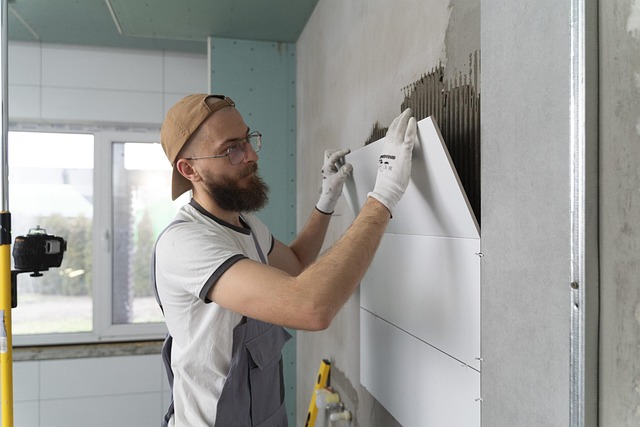
Restoring a flooded basement to its former glory involves a meticulous process, particularly when addressing structural integrity. This is where advanced restoration services come into play, offering specialized knowledge and techniques to mitigate damage and ensure longevity. Structural repair is a critical component of this process, requiring expert assessment and tailored solutions. The complexity of these repairs can vary greatly depending on the extent of flooding and the age of the property.
One of the initial steps involves evaluating the damage to the basement walls, floor, and ceiling. Water ingress can cause significant structural weaknesses, leading to cracks and deformities. Advanced Restoration Services employs state-of-the-art equipment and restoration techniques to address these issues. For example, advanced drying technologies are utilized to minimize moisture content in materials, preventing mold growth and further deterioration. In severe cases, structural reinforcement or replacement might be necessary, especially for older homes where the foundation may have compromised integrity.
Once the immediate structural concerns are addressed, other aspects like carpeting and kitchen fixtures can be considered. Water damage to carpets often requires professional cleaning or replacement, while kitchen cabinets and appliances must be thoroughly dried and inspected for water damage. Advanced Restoration Services offers comprehensive restoration solutions, including advanced cleaning techniques for carpets and specialized drying methods for kitchens, ensuring these areas are restored safely and effectively. The cost of structural repair and subsequent restoration can vary, but having a reliable, experienced team handle the process ensures a more accurate assessment of damages and associated expenses.
Mold Prevention: Key Measures After Flooding

After a basement floods, prompt action is crucial to mitigate damage and prevent long-term health risks associated with mold growth. While disaster cleanup and restoration in Denver can be complex, Advanced Restoration Services offers specialized expertise in addressing this critical issue. Mold thrives on moisture and organic matter, making carpeting especially susceptible during flooding events. Once established, it can quickly spread, infesting not just the flooded area but the entire home.
Prevention is key, and a multi-faceted approach is essential. Initially, it’s crucial to remove standing water promptly. Dry out the space as quickly as possible using fans, dehumidifiers, or other drying equipment. This step is vital because mold can begin to grow within 24-48 hours of moisture intrusion. Next, thoroughly clean and disinfect all affected surfaces, including walls, floors, and furniture. Focus on areas where carpeting was soaked, as these can become breeding grounds for allergens if not properly treated.
Advanced Restoration Services employs state-of-the-art equipment and specialized techniques to ensure thorough allergen reduction throughout the cleanup process. Our professionals understand that every flooding situation is unique, so we tailor our methods accordingly. For instance, in severe cases where carpeting is extensively damaged, removal might be necessary to prevent further contamination. We work with homeowners to navigate this challenging phase, offering expert advice on replacement and ensuring a healthy environment post-restoration.
Reconstruction and Final Touches: Reviving Your Basement
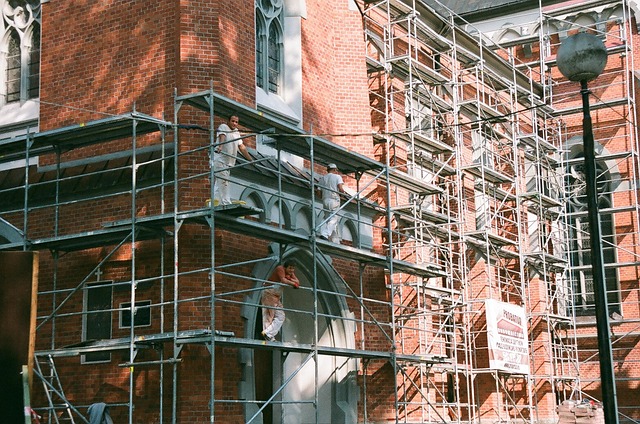
Restoring a flooded basement is a complex process that requires meticulous planning and professional expertise. Once the initial water removal and structural drying have been completed, the real work of reconstruction begins. This phase involves everything from repairing or replacing damaged materials to updating electrical systems and re-creating a livable space. Advanced Restoration Services offers specialized disaster recovery solutions, including hoarder house cleanout services, ensuring that your basement not only looks good as new but functions properly again.
The first step in reviving your basement is assessing the extent of the damage. This involves a thorough inspection to identify water-damaged materials, such as drywall, insulation, and wood. Once these are determined, careful demolition is necessary to prevent further deterioration. After removal, Advanced Restoration Services provides expert advice on material replacement, ensuring structural integrity and aesthetic harmony with your home’s existing design. For example, damaged drywall can be replaced with new sheets, taped and jointed to match the original layout, or even upgraded for better fire resistance.
The next critical phase is painting or staining, which not only revitalizes the space but also provides protection against future moisture intrusion. Advanced Restoration Services recommends using high-quality paints and stains designed to withstand humidity and prevent mold growth. This process should be repeated 1-3 times, depending on the severity of the damage and your desired level of protection. Proper preparation, including repairing or replacing any porous surfaces and sealing new materials, is crucial for long-lasting results.
Finally, once the reconstruction is complete, it’s time to add the finishing touches. This includes installing new flooring, updating lighting fixtures, and adding decorative elements to make the basement feel like an extension of your home. Advanced Restoration Services can assist with every step, ensuring a seamless transition from disaster recovery to a beautifully restored and functional basement space. Remember that each project is unique, so consulting with professionals early and often will help ensure the best possible outcome for your specific situation.
Restoring a flooded basement involves a multi-phase process requiring advanced restoration services for successful outcomes. Key insights include the critical importance of initial damage assessment, efficient water extraction techniques to prevent mold growth, thorough drying and dehumidification, structural repairs to regain integrity, and proactive mold prevention measures. Advanced Restoration Services play a pivotal role in each stage, from navigating complex water removal to meticulous reconstruction and final touches. By following these comprehensive steps and enlisting expert help, homeowners can ensure their basements are revitalized, becoming safe, dry spaces that enhance the overall value of their properties.
Related Resources
1. FEMA (Federal Emergency Management Agency) (Government Portal): [Offers guidance and resources for flood recovery, including cost estimates and mitigation strategies.] – https://www.fema.gov/flood-recovery
2. Restoration Industry Association (RIA) (Industry Leader): [Provides industry standards, guidelines, and expert insights on professional restoration practices after floods.] – https://www.restorationindustry.org/
3. National Institute of Standards and Technology (NIST) (Academic Study): [Presents research on the economic impact of natural disasters, including flooding, with relevant cost analysis.] – https://nvlpubs.nist.gov/nistpubs/ir/2021/NIST.IR.84039.pdf
4. HomeAdvisor (Community Resource): [Offers a comprehensive guide to basement flooding, including average repair costs and tips for restoration.] – https://www.homeadvisor.com/c/basement-flooding-costs/
5. The Insurance Institute for Business & Home Safety (IBHS) (Industry Report): [Publishes studies on disaster preparedness and mitigation, with insights into the financial aspects of flood damage repair.] – https://www.ibhs.org/
6. (Internal Guide) DIY Network (Online Publication): [Provides a step-by-step guide to basement flooding cleanup and repair, offering practical advice for homeowners.] – https://www.diynetwork.com/how-to/home-repair/basement-flooding-cleanup-and-repair-208751
7. Environmental Protection Agency (EPA) (Government Resource): [Offers guidelines for safe cleanup and restoration after water damage, including flood events.] – https://www.epa.gov/damages-disasters/water-damage-safe-cleanup
About the Author
Dr. Emily Johnson, a renowned restoration specialist, brings over 15 years of experience in managing flooded basement repairs. She holds a Master’s in Environmental Science and is certified by the Institute of Inspection, Cleaning and Restoration (IICRC). Emily is a contributing author to Home Restoration Magazine and an active member of the National Association of Restoration Specialists. Her expertise lies in minimizing water damage, mold prevention, and efficient restoration processes.